


Delivering the Real Taste and Aroma of Quince Jam with Proper Fruit Selection
tow common mistakes in making quince jam that, when known, can help you have jam without mold and excess sugar.
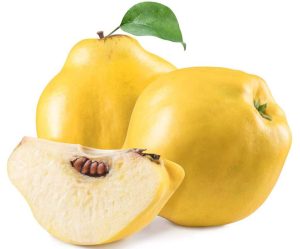
«Interesting Facts About the «Quince Tree:
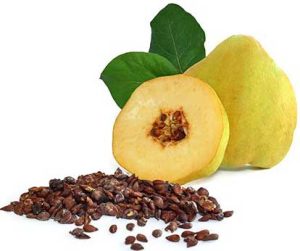
The quince tree belongs to the rose family and is part of the apple group. It is known for its delightful taste, which is a combination of tartness and a mild pineapple-like flavor. The fruit resembles a pear, with a slightly crackled appearance on both the fruit and leaves.
The native region of quince in Iran is primarily in the cities of Natanz and Isfahan. It is widely popular in Iran, similar to the way Damavand apples were mentioned in the previous post. However, some studies have linked quince cultivation in Iran to the city of Givi in Ardabil Province.
Quince has its origins in Europe and Western Asia and is native to these two regions. It later spread to other countries. Quince trees can thrive in both warm and cool climates but are not compatible with soils that are dry and high in limestone content.
Vitamins in Quince:
Quince is rich in vitamins A and B, making it beneficial for treating chest pains, strengthening the stomach, and stopping simple and chronic diarrhea.
It also has significant effects on treating acute intestinal swelling, menstrual bleeding, and hemorrhoids.
Quince seeds and fresh leaves are renowned for their ability to relieve coughs.
Calorie Content:
There are 57 calories in every 100 grams of quince.
Uses and Products of Quince:
Jam *
Herbal tea *
Culinary dishes (e.g., kabab stew) *
Medicine (quince seed decoction for treating coughs and sore throats) *
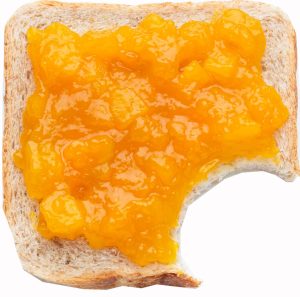
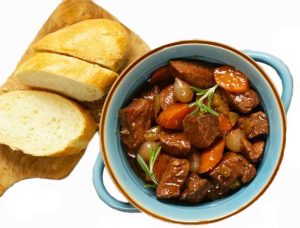
You May Want to Know More:
The quince tree belongs to the rose family and the Amygdaloideae subfamily.
Since 2011, according to global naming conventions for algae and plants, the subfamilies Spiraeoideae, Prunoideae, and Maloideae, including almonds, cherries, plums, peaches, apricots, and quince, have been combined into the Amygdaloideae subfamily, which includes the quince tree.
This classification implies that fruits like apricots, cherries, plums, and quinces with pink or reddish blossoms belong to the rose family
If you’d like to learn more about the naming and classification of plants and animals, visit this Wikipedia page
Types of Quince:
Quinces come in various types and varieties due to hybridization and grafting (e.g., grafting quince with cydonia). However, in general, there are two main types: yellow and red quince.
Yellow Quince (or Golden Quince): It originates from Australia, but it is also cultivated in regions of Iran
Red Quince (or Crimson Quince): This type is grown in Iran, particularly in Ardabil Province

:What Type of Quince Is Needed for Making Quince Jam and What Should You Consider
For making quince jam, the type of quince commonly available in the market is typically the yellow quince. However, for making high-quality quince jam that is not overly tart and not overly ripe, you should use a quince that is slightly less ripe, has a sweeter taste, and is slightly more yellow in color.
Soon, we will also add instructions on how to make quince jam in the continuation of this post.
For information and to purchase quince jam products, please visit the Khatoon Farm Store page. If you have any questions, you can contact us through the Contact Us page.
